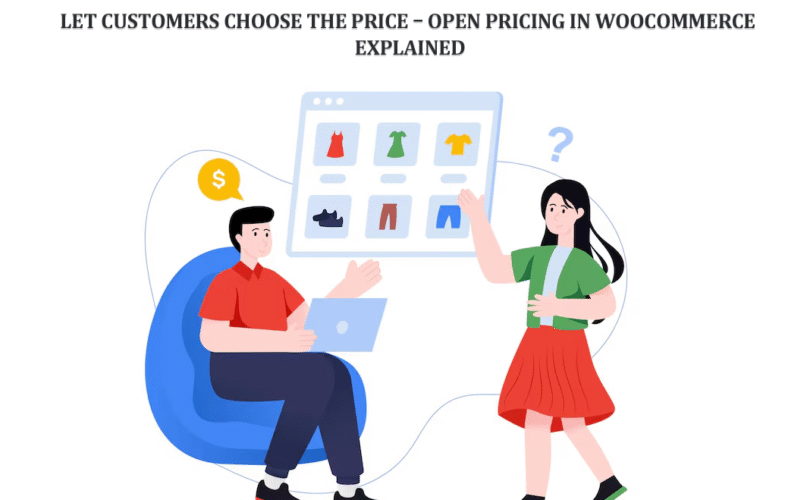
What if your customers could decide how much they want to pay?
At first, it sounds risky. Even uncomfortable. Pricing is supposed to be fixed, controlled, calculated carefully. But more online stores are experimenting with a different approach—allowing customers to enter their own price directly on the product page.
This model, often called open pricing or pay-what-you-want, shifts control from the store owner to the buyer. Surprisingly, when implemented strategically, it can increase engagement, improve conversions, and even boost overall revenue.
Behind that simple input field lies something deeper than flexibility. It touches psychology, trust, and perceived value.
What Is Open Pricing?
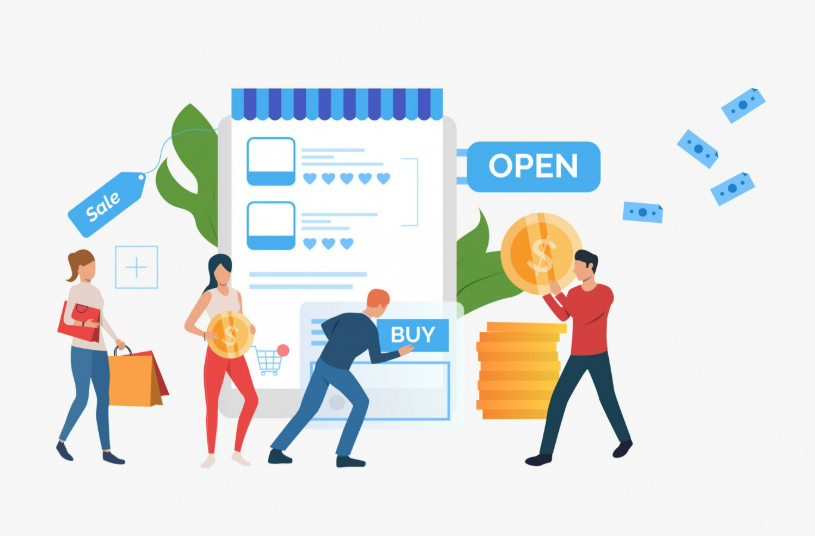
Open pricing allows customers to enter the amount they want to pay for a product instead of selecting a predefined price.
Some stores define:
- A minimum amount
- A suggested price
- Or a completely open field
Others allow total flexibility. The structure depends on the business model.
At its core, open pricing removes rigidity. Instead of telling customers what they must pay, it invites them to participate in the pricing decision.
Why Would a Store Allow This?

The natural concern is obvious:
Won’t customers always choose the lowest possible amount?
In some cases, yes. But in many cases, no.
When customers feel trusted, they often act fairly. Open pricing changes the psychological dynamic. Instead of feeling pressured into a fixed price, buyers feel respected. That sense of autonomy influences behavior.
Customers tend to think:
- If they trust me, I should be reasonable.
- If I value this product, I should reflect that in the price.
The transaction becomes less mechanical and more relational.
This is not about charity. It is about flexibility and perceived fairness.
The Psychology Behind It
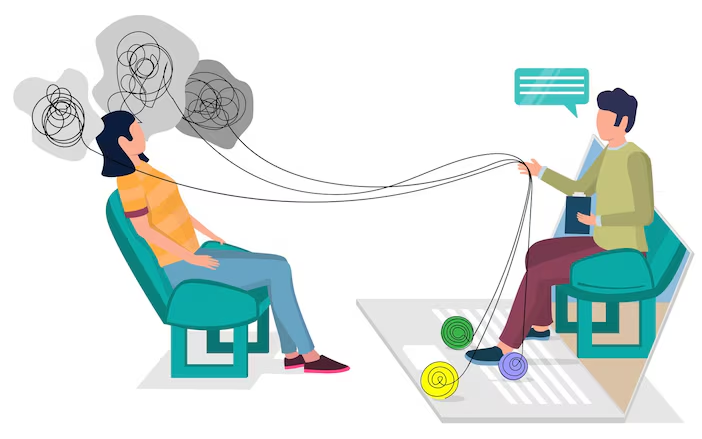
Trust plays a powerful role in purchasing decisions.
Imagine a small café with a sign that says, “Pay what feels right.” Some customers pay the minimum. Others leave more than expected. The café owner cannot predict each payment—but over time, the model can balance out because many people choose fairness over exploitation.
Online stores operate in a similar way. When customers feel respected rather than constrained, they are more likely to respond positively.
Open pricing introduces an emotional layer into eCommerce. And emotion often influences buying decisions more than logic alone.
Where Open Pricing Works Best
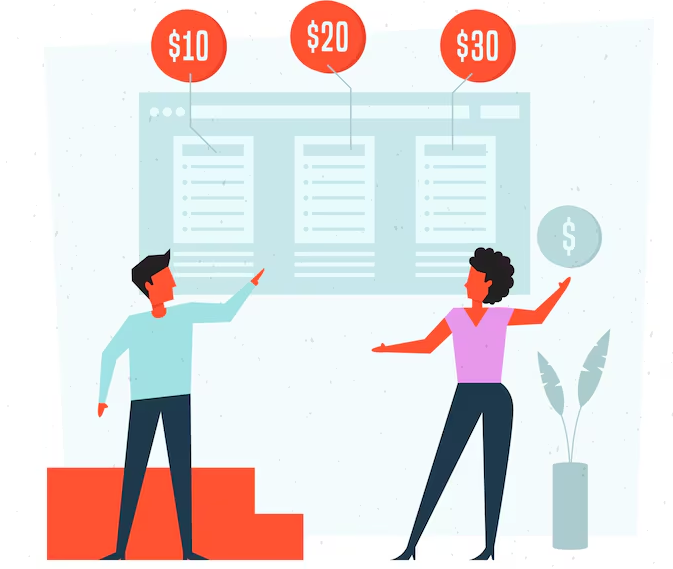
Open pricing is not universal. It performs best in certain environments.
1. Digital Products
E-books, templates, software tools, music downloads—products with low or zero marginal cost per unit are ideal.
Because there is no physical inventory cost, pricing flexibility carries less financial risk.
(Suggested image: WooCommerce product page showing a custom price input field)
2. Donations & Community Projects
Nonprofits, creators, and community-driven platforms benefit significantly from flexible contribution models.
People appreciate choosing their level of support.
3. Entry-Level Offers & Trials
Open pricing can lower the entry barrier for courses, toolkits, or memberships. Once trust is built, customers often return for higher-tier offers.
4. Campaigns & Special Launches
Seasonal promotions, beta launches, and limited campaigns can benefit from flexible pricing experiments.
Not every product in a store needs this model. But certain segments can perform very well under it.
How Open Pricing Works in WooCommerce
WooCommerce does not include open pricing functionality by default. However, it can be implemented using dedicated solutions that:
- Add a custom price input field
- Set minimum or suggested values
- Validate customer input
- Ensure proper cart and checkout calculations
When integrated correctly, it blends naturally into the product page without disrupting the shopping flow.
From a technical perspective, the implementation is straightforward. From a strategic perspective, it requires planning.
Why Store Owners Use It
Open pricing offers several practical advantages:
- Lower Entry Barriers
Customers who cannot afford the standard price may still complete a purchase. - Increased Engagement
Allowing price input makes the buying experience interactive. - Stronger Brand Perception
Trust-based pricing can strengthen emotional connection. - Market Feedback
The amounts customers choose provide insight into perceived product value. - Flexibility in Campaign Strategy
It works well for product launches, community-driven initiatives, or experimental pricing tests.
When Open Pricing May Not Be Suitable

Despite its benefits, open pricing is not ideal for every store.
It may not fit well if:
- Products have high manufacturing costs
- Profit margins are extremely tight
- Brand positioning relies on premium exclusivity
- Strict price consistency is required across channels
Before implementing open pricing, evaluate cost structure and brand identity carefully.
How to Introduce It Without Risk
You do not need to transform your entire store overnight.
Start small.
Test open pricing on:
- One digital product
- One downloadable resource
- One promotional bundle
- One campaign-specific item
Monitor:
- Average chosen price
- Conversion rate
- Customer behavior
Use the data to refine your strategy before expanding.
Gradual implementation reduces risk while preserving flexibility.
The Human Element of Flexible Pricing

Traditional eCommerce is transactional. Fixed numbers. Fixed outcomes.
Open pricing introduces variability—and with it, a human component.
When customers type in their own number, they are making a small judgment call about value. That moment creates engagement. It requires thought. It involves personal perception.
That interaction, even brief, can deepen the relationship between customer and brand.
In competitive markets where differentiation is difficult, that subtle emotional factor can matter.
Conclusion
Open pricing challenges the traditional rules of eCommerce pricing. It replaces strict control with calculated flexibility.
It is not a universal solution. But when aligned with the right product type, cost structure, and brand philosophy, it can:
- Increase accessibility
- Build trust
- Improve engagement
- Offer valuable pricing insights
Sometimes innovation in eCommerce does not require complex technology. Sometimes it begins with a simple pricing field and the willingness to trust your customers.
For stores ready to experiment thoughtfully, open pricing can become more than a pricing model. It can become part of the brand experience itself.